
What environment and essential equipment do you need to set up your figure-drawing studio? Depending on your budget and personal comfort, you must choose what’s right. Some points to keep in mind are the following:
✓ Do you need complete solitude to draw?
✓ What top five disruptions tend to distract you?
✓ Are you more productive during the evening or morning?
✓ What’s your budget plan? What items can you get now versus later down the road?
Don’t worry if you’re unsure as to what environment and equipment work best for you at first. Sometimes only time and experimentation can determine what makes you tick.
Ask other artists and colleagues about their working habits and environments. Then try implementing them into your strategy to see which are most effective. This method saves time and energy because your friends have probably already weeded out terrible ideas.
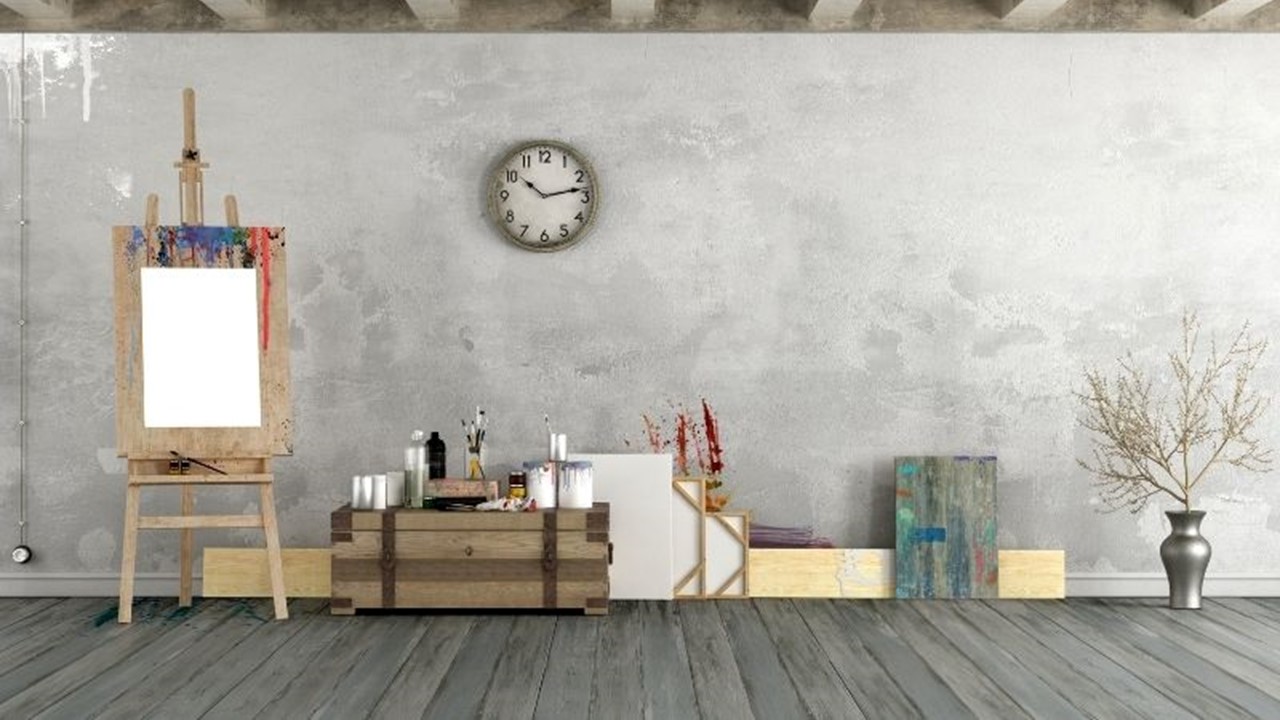
Your drawing space is an area that needs experimentation. Each person has his or her own preference. For example, I have two studios (one at home and another shared studio space at a separate location). Although I enjoy working alone in complete solitude (especially during highly tight deadlines), I need to interact actively with a colleague from time to time.
If you’re unsure where to find the right environment, try taking your sketchbook to a coffee shop to draw. Are you able to concentrate on the hustle and bustle around you, or do you find yourself so distracted that you can’t concentrate on anything you draw? If you’re too distracted, you may have your own quiet studio without distractions (including e-mail)!
Suppose you live in a family environment with a constant interruption from a curious five-year-old and no easy access to a quiet home studio. You may consider rearranging your time or renting a cheap studio at a separate location. If you work better away from home, consider getting involved with off-site live figure-drawing classes to interact with other artists sharing the same experience of drawing from the same model. A group setting is also great for building networking relations (business and casual friendships). Some of the closest art friends I’ve had for the past ten years are those I met at drawing sessions.
If you don’t have a problem working with the everyday distractions around your home, working at a home studio may be efficient, especially if you control the environment without worrying about inconveniencing others. Another factor to consider is how efficiently you work during specific times of the day. The common myth is that the harder you work, the more you get done. As much as I want to think that’s true, my body and mind function better in the evening than they do in the morning. Therefore, I organize my schedule around my efficiency habits so that I do most of my drawing later in the day.
 The Art of Richard Romero