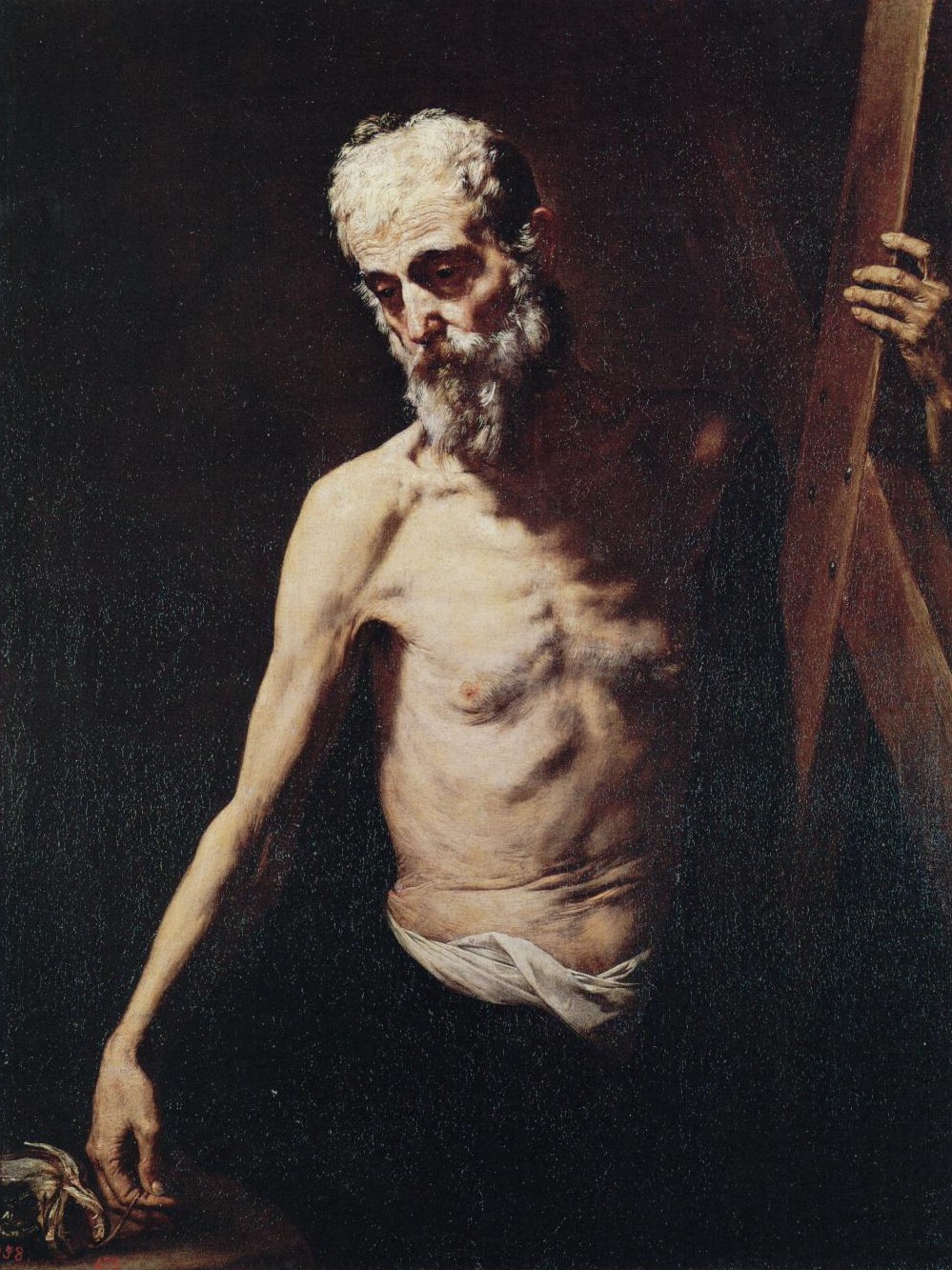
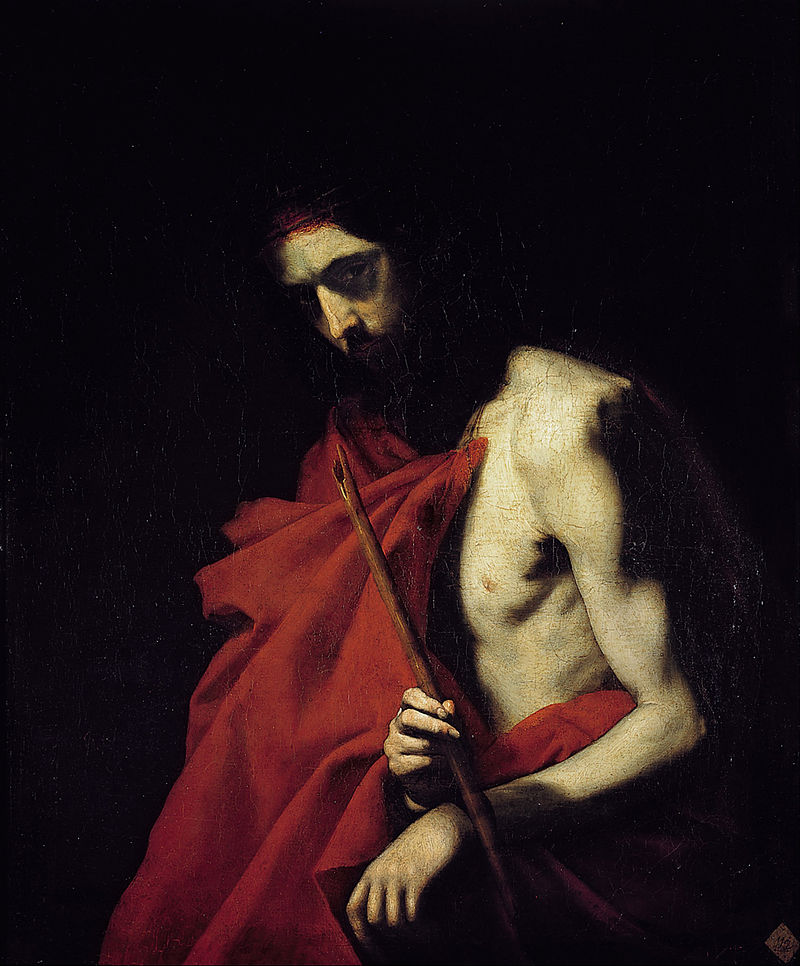
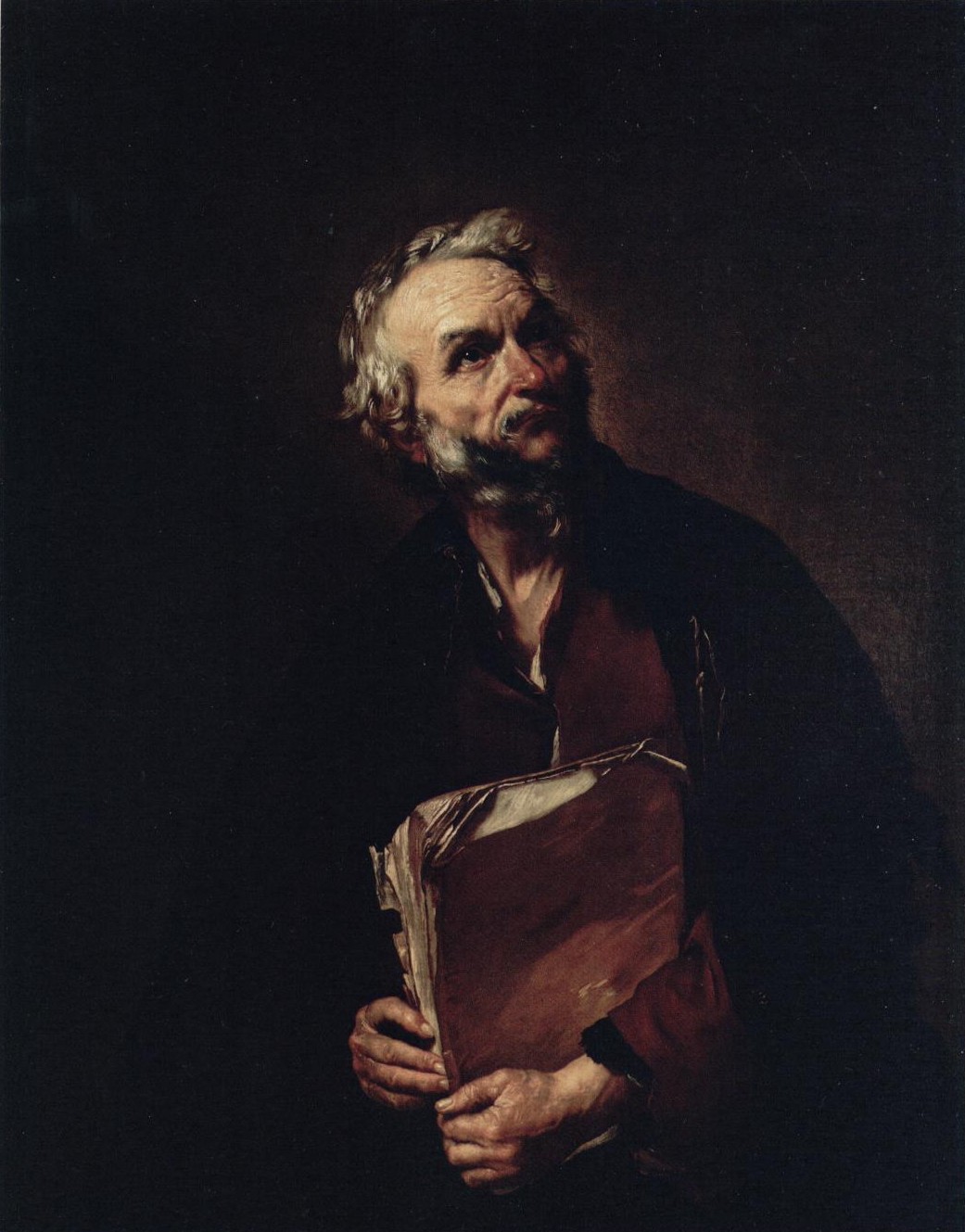
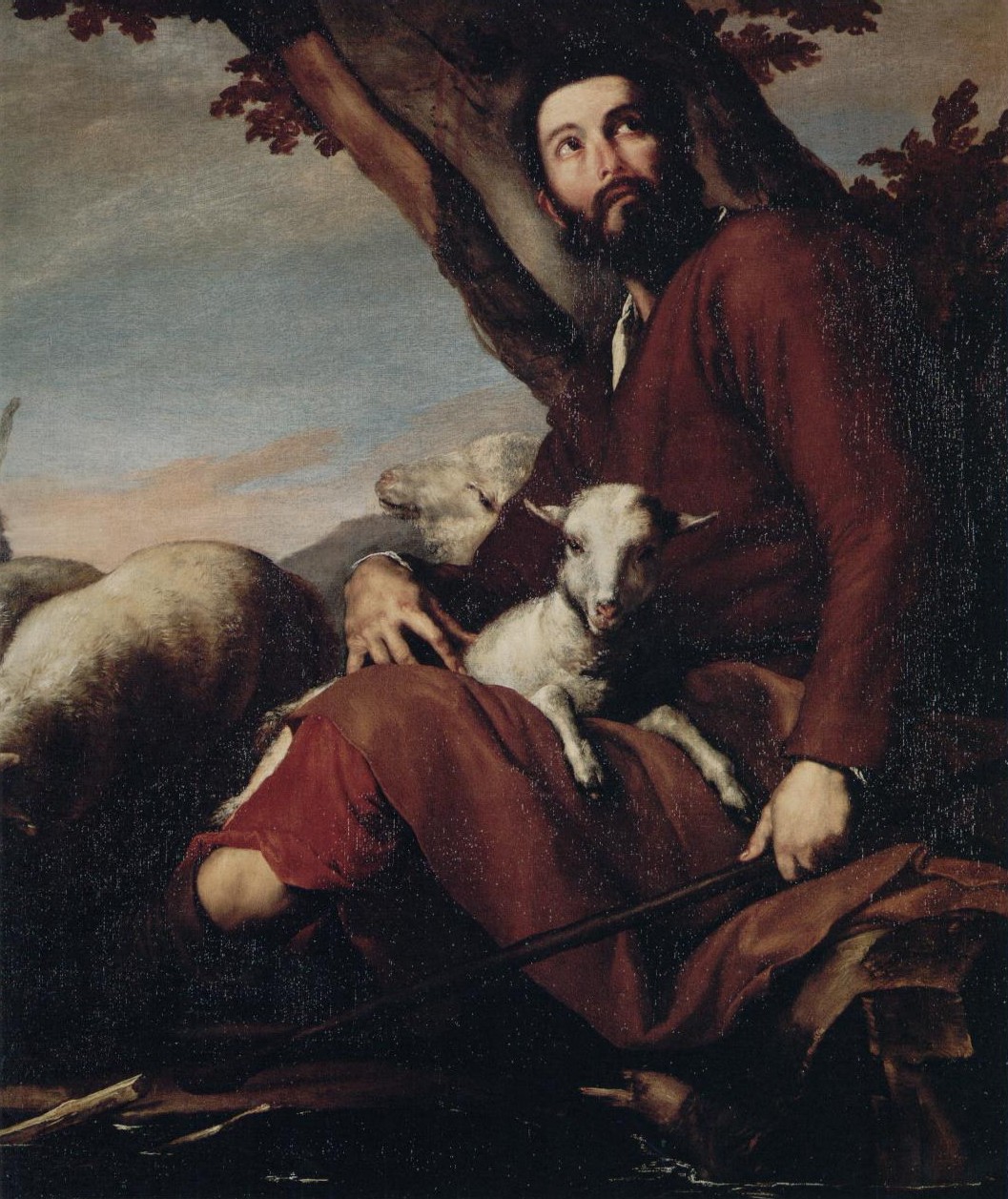
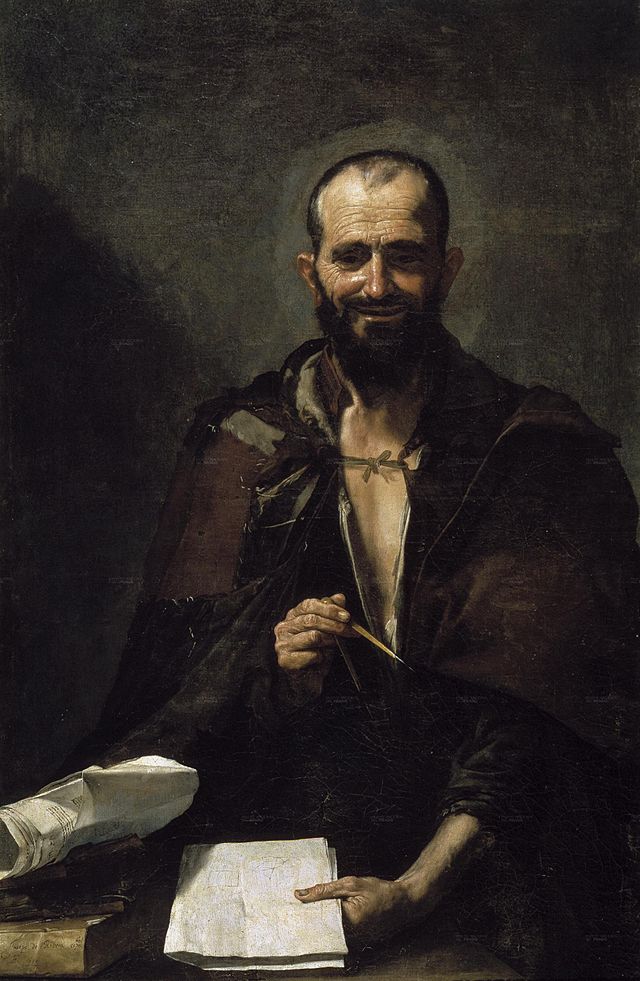
Jusepe de Ribera delighted in subjects of horror. His forms, although ordinary and sometimes coarse, are correct; the impression of his works gloomy and startling. Along with his massive and predominating shadows, Jusepe de Ribera retained from first to last a great strength in local coloring.
What Is Art?
By Marilina Maraviglia
This question pops up often, and with many answers. Many argue that art cannot be defined. We could go about this in several ways. Art is often considered the process or product of deliberately arranging elements in a way that appeals to the senses or emotions.
It encompasses a diverse range of human activities, creations and ways of expression, including music, literature, film, sculpture and paintings. The meaning of art is explored in a branch of philosophy known as aesthetics. At least, that’s what Wikipedia claims.
Art is generally understood as any activity or product done by people with a communicative or aesthetic purpose—something that expresses an idea, an emotion or, more generally, a world view.
It is a component of culture, reflecting economic and social substrates in its design. It transmits ideas and values inherent in every culture across space and time. Its role changes through time, acquiring more of an aesthetic component here and a socio-educational function there.
Everything we’ve said so far has elements of truth but is mainly opinion. According to Wikipedia, “Art historians and philosophers of art have long had classificatory disputes about art regarding whether a particular cultural form or piece of work should be classified as art.”
The definition of art is open, subjective, debatable. There is no agreement among historians and artists, which is why we’re left with so many definitions of art. The concept itself has changed over centuries.
The very notion of art continues today to stir controversy, being so open to multiple interpretations.
It can be taken simply to mean any human activity, or any set of rules needed to develop an activity. This would generalize the concept beyond what is normally understood as the fine arts, now broadened to encompass academic areas. The word has many other colloquial uses, too.
Jusepe de Ribera painted austere or gloomy paintings
Jusepe de Ribera painted the horrors and reality of human cruelty and showed he valued truth over idealism. His paintings are austere or gloomy in mood and can be rather dramatic in their presentation. The chief elements of Ribera’s style, tenebrism (dramatic use of light and shadow) and naturalism, are used to emphasize the mental and physical suffering of penitent or martyred saints or tortured gods.
The Evolution Of The Concept Of Art
By Marilina Maraviglia
While the definition of art has changed over the years, the field of art history has developed to allow us to categorize changes in art over time and to better understand how art shapes and is shaped by the creative impulses of artists.
Having a solid grasp of art history, then, is important. I spoke with Alexander Daniloff and Jonathan Ball about the concept of art through history and about whether tracing a line through traditional and contemporary art is possible.
Alexander Daniloff is a Russian artist who lives and works in Italy. His focus is painting, although he has worked in several media. Lately, he has worked on children’s illustrations. He has participated in various events and illustration competitions and has illustrated three books. Continue reading “The Evolution Of The Concept Of Art”
The love of deformity
Aesthetics In Digital Art
By Marilina Maraviglia
Moving into the mid-20th century, the conceptual transformations that arose from new approaches to art led to a crisis of aesthetics, as was manifested in new art media.
While borrowing many of the conventions of traditional media, digital art can draw upon aesthetics from many other fields. But various criticisms have been made against it: for example, given the variety of tools at their disposal, how much effort do digital artists really have to put into their work?
I asked Jan Willem Wennekes, also known as Zeptonn, for his opinion on this. He is a freelancer who specializes in illustrative design and art direction, with a focus on eco-friendly and environmental projects. Continue reading “Aesthetics In Digital Art”
Jusepe de Ribera’s work
Art As We Know It Today
By Marilina Maraviglia
The 20th century was a turning point in our conception of art, which is mainly why contemporary artists frequently reach for new concepts, break with tradition and reject classic notions of beauty. All these factors have given birth to abstract art.
The artist no longer tries to reflect reality, but rather tries to give expression to their inner world and feelings.
The old definitions of art have become obsolete. Today, art is an evolving and global concept, open to new interpretation, too fluid to be pinned down.
I interviewed Nate Williams and Travis Lampe to explore new elements of contemporary art and to answer the question, what new elements and principles are evident in today’s art.
A sinister reputation
This artistic terrorism won for Jusepe de Ribera his sinister reputation, and it must be admitted that it had depraved and perverted qualities. The sight of blood and torture as the source of pleasure is more pagan than the joy of life and the laughing sensuality of the Renaissance. It must not be thought that these ideas of violence exhaust Ribera’s art. They are supplemented by sweet ideas, and in his work horrible pictures alternate with tender ones.
Ribera’s chiaroscuro
For Ribera’s chiaroscuro, scarcely less personal than that of Rembrandt, is, no less than the latter’s, inseparable from a certain manner of feeling. Less supple than the latter less enveloping, less penetrating, less permeable by the light, twilight, and penumbra, it proceeds more roughly by clearer oppositions and sharp intersections of light and darkness.